How International Accreditation Academy Program Works?

The Micropigmentation Academy offers an International Accreditation Academy Program designed to give complete training and certification in micro pigmentation. This program aims to provide learners with the essential skills and knowledge to become successful micro pigmentation artists and gain international recognition for their competence.

International Accreditation Academy Program

Micropigmentation Academy’s International Accreditation Academy Program is designed to provide a well-rounded education in all aspects of micro pigmentation, including methods, safety measures, client consultations, color theory, and company management. A step-by-step curriculum guides students through theoretical teachings, hands-on practice, and real-world application.

The program begins with an overview of the area of micro pigmentation, including its history, evolution, and numerous uses. Students learn about the tools and equipment used in micro-pigmentation procedures, as well as the significance of hygiene and safety requirements.
The curriculum then moves on to basic information and practices. Students learn about various skin types, facial anatomy, and how to analyze and assess the needs of clients. They taught you brow shape and filling, lip pigmentation, and scalp micro pigmentation methods. Practical training, in which students work on models under the supervision of skilled instructors, is a critical component of the study.

Another important part of micro pigmentation is color theory, which governs the selection and blending of pigments for natural-looking outcomes. Color theory instruction takes up a substantial section of the curriculum in the International Accreditation Academy Programme, teaching students how to analyze skin tones, mix pigments, and obtain desired color effects.

Additionally, the program emphasizes the significance of client consultations and communication skills. Students learn how to conduct in-depth consultations, understand clients’ expectations, and provide qualified advice. Business management and marketing techniques are also taught, giving students the tools they need to start their micropigmentation practice.

The Micropigmentation Academy‘s International Accreditation Academy Programme is unique in that it focuses on international accreditation. The program is meant to fulfill stringent international standards and to prepare students for accreditation tests administered by recognized micropigmentation regulating bodies. After completing these exams, students gain worldwide certification, validating their knowledge and allowing them to work in micropigmentation anywhere in the globe.
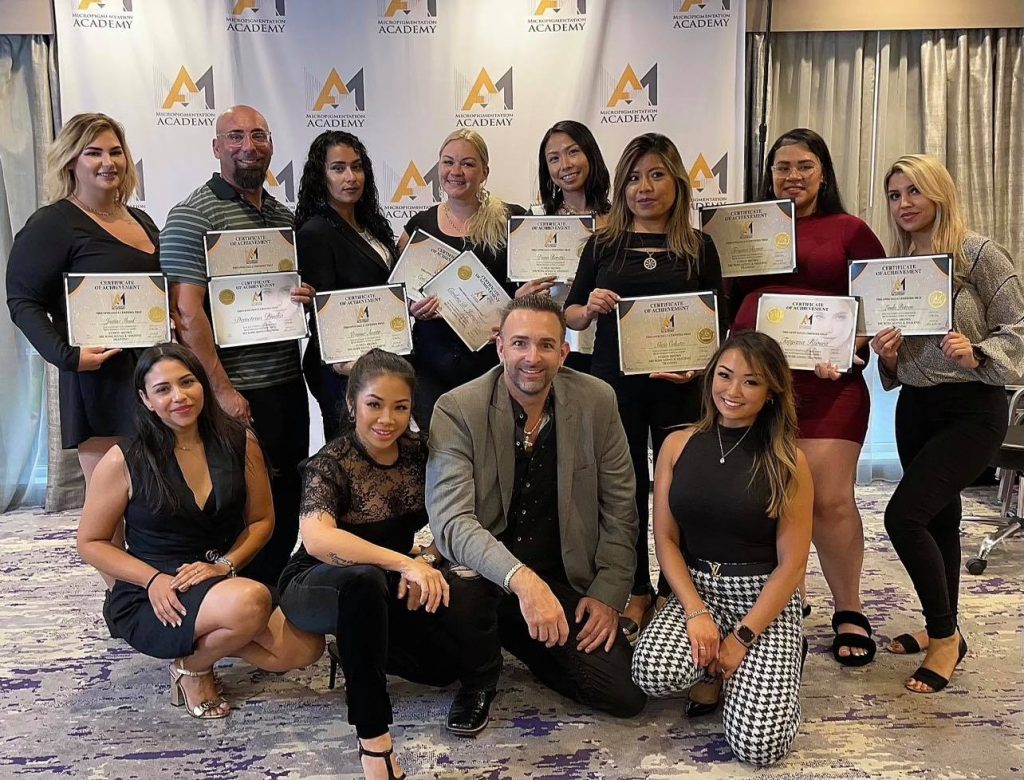
Students receive personalized attention and advice from qualified lecturers who are industry professionals themselves throughout the program. The Micropigmentation Academy encourages students to ask questions, seek comments, and participate in conversations by creating a helpful and dynamic learning environment.

Conclusion

Finally, the International Accreditation Academy Program at Micropigmentation Academy provides a thorough and internationally recognized micropigmentation training experience. This degree combines academic knowledge, practical experience, and business management training to give students the expertise and certifications they need to succeed in the field. Graduates of this program are well-prepared to make their mark in the exciting field of micropigmentation, whether they choose to start their micropigmentation practice or join existing clinics around the world.
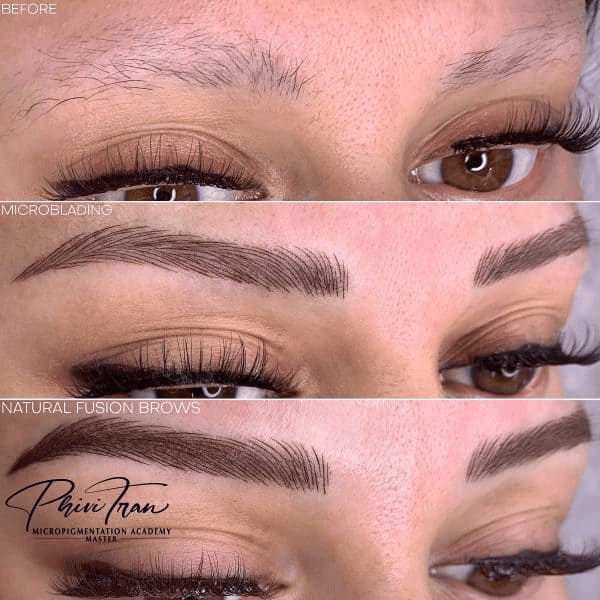
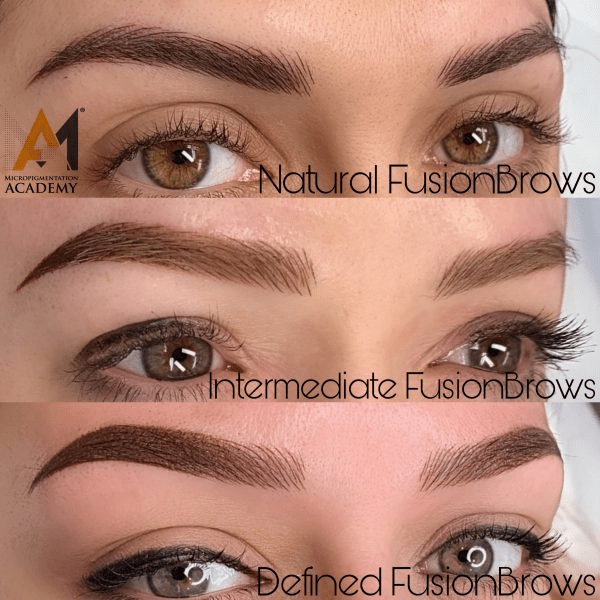
Which is better Microblading or Microshading

Microblading vs. Microshading: Which is Better for Your Eyebrows?

If you’re looking for a way to enhance the appearance of your eyebrows, you may have heard of two popular techniques: Microblading and Microshading. Both procedures involve the use of a tool to deposit pigment into the skin, but the way the pigment is applied differs between the two techniques. So, which one is better for your eyebrows? Let’s take a closer look.

Microblading: Natural-Looking Hair Strokes

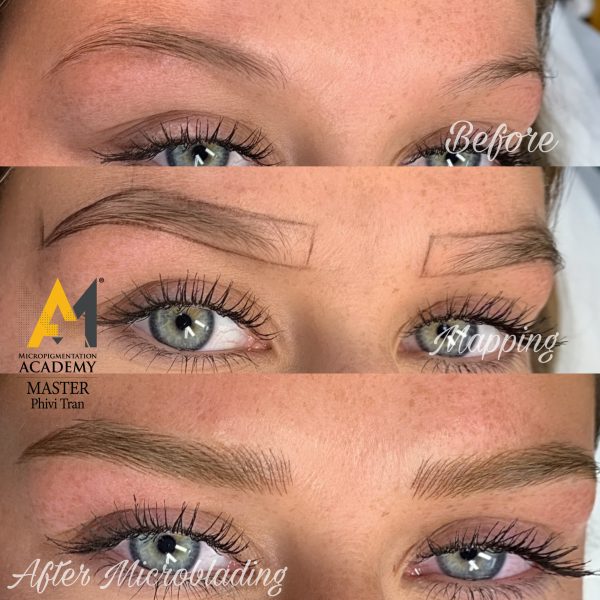
Microblading is a technique that uses a handheld tool with tiny needles to create hair-like strokes in the skin. These strokes mimic the natural direction and shape of eyebrow hairs, resulting in a more natural-looking brow. Microblading is ideal for those who want to define and enhance their eyebrows while maintaining a natural appearance. This technique is especially suitable for those with sparse or light eyebrows.

However, microblading may not be the best option for everyone. If you have oily skin or large pores, the pigment may not hold as well and can appear blurred over time. Additionally, microblading may not be suitable for those with very thick eyebrows, as the individual hair strokes may not be as noticeable.

Microshading: Filled-In and Defined Brows

Microshading, also known as powder brows, involves the use of a tool to create small dots or shading throughout the brow area. This technique results in a softer, more filled-in look than microblading. Microshading is ideal for those who want a more defined and filled-in brow. This technique is especially suitable for those with thicker eyebrows who want to add more definition and shape to their brows.

Unlike microblading, microshading is better suited for those with oily skin, as the shading technique results in a more powdered look that can withstand oiliness better than microblading. However, it is important to note that the pigment used in microshading may not be as long-lasting as microblading, and touch-ups may be needed more frequently.

Choosing the Right Technique for You

Ultimately, the choice between microblading and microshading comes down to personal preference and the desired outcome. If you want a more natural-looking brow with defined hair-like strokes, microblading may be the better option for you. On the other hand, if you want a more filled-in and defined brow, microshading may be the better choice.

Before deciding which technique to choose, it is important to do your research and consult with a trained and certified professional. Proper training and certification are essential to ensure safety and optimal results. The Micropigmentation.Academy offers comprehensive training courses and certification programs for those looking to become trained in these techniques.

In conclusion, both microblading and microshading can result in beautiful, natural-looking brows when done properly by a trained and certified professional. Whether you choose microblading or microshading, the most important thing is to choose a technique that works best for your individual needs and preferences.

Is Microblading or Microshading better for dark skin?

Microblading and microshading are two popular techniques used for achieving perfect eyebrows. Both of these techniques are useful for people with light as well as dark skin. However, people with dark skin often wonder which technique is better for them. In this blog, we will discuss whether microblading or microshading is better for dark skin.

Firstly, let’s understand the difference between microblading and microshading. Microblading involves using a fine blade to make small incisions in the skin that mimic natural hair strokes. Microshading, on the other hand, involves using a fine needle to deposit pigment in the skin, creating a soft, powdered effect.

Both microblading and microshading can work well for dark skin, but the choice depends on individual preferences and skin type. Here are a few factors that you should consider:

Skin Type
Dark skin can have different undertones, such as red, yellow, or blue. Therefore, it’s important to choose a technique that complements your skin undertone. For example, if you have warm undertones, microblading can work better for you as it creates fine, hair-like strokes that blend seamlessly with your natural brow hair. On the other hand, if you have cooler undertones, microshading can be a better option as it gives a soft, powdered effect that complements your skin tone.

Brow Shape
If you have sparse brows or gaps in your brow hair, microblading can be a better option as it creates natural-looking hair strokes that fill in the gaps. However, if you have fuller brows but want to add definition and depth, microshading can work well for you as it creates a soft, gradient effect that gives the illusion of fuller brows.

Skin Sensitivity
Dark skin can be prone to hyperpigmentation or scarring, so it’s important to choose a technique that is less invasive and minimizes trauma to the skin. Microshading is less invasive than microblading and involves depositing pigment in the upper layers of the skin, making it a better option for people with sensitive skin.

In conclusion, both microblading and microshading can work well for dark skin, but the choice depends on individual preferences and skin type. If you’re unsure which technique is right for you, it’s best to consult a professional. Micropigmentation.Academy is a great place to start if you’re looking for the best micropigmentation training in CT. They offer top-notch training for aspiring technicians and provide the best eyebrow microblading and microshading services in CT. So, if you want to achieve perfect brows that complement your skin tone and features, book your appointment at Micropigmentation.Academy today!

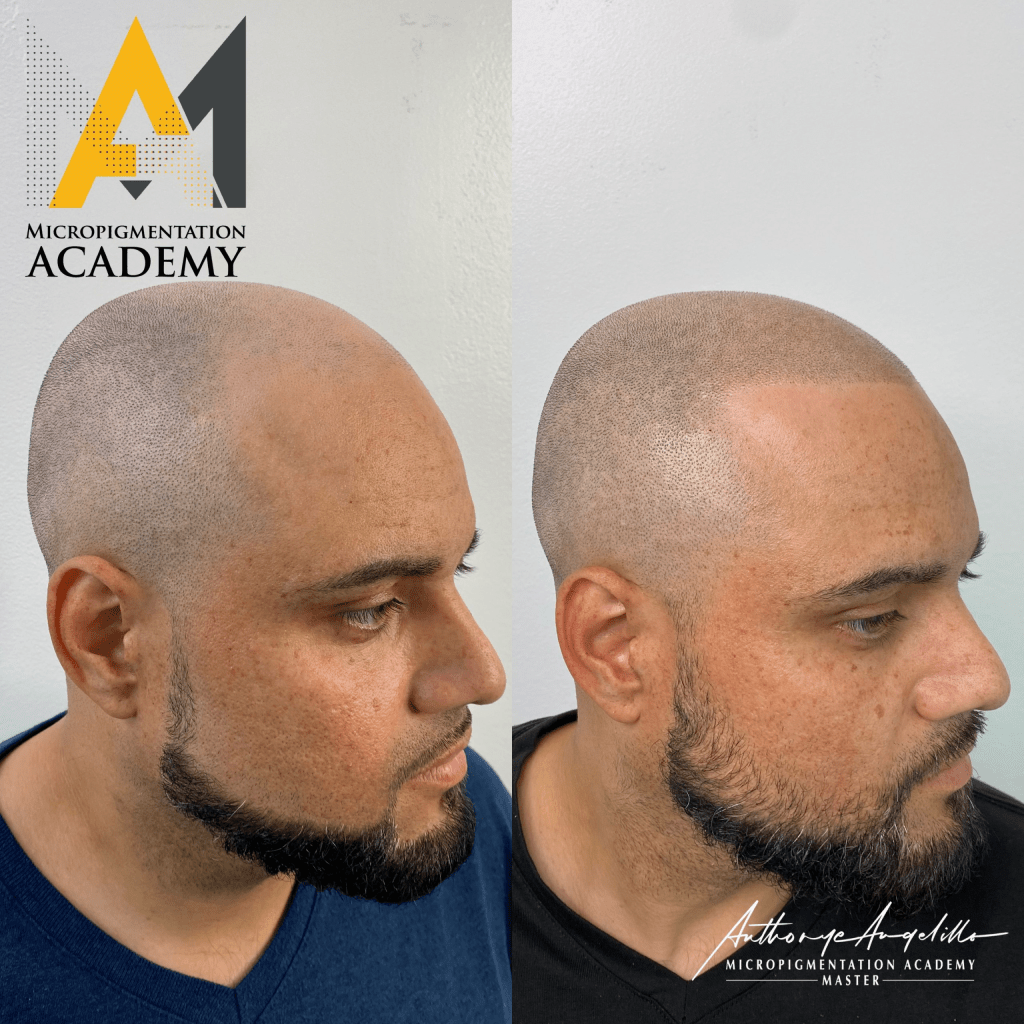
What are the Cons of Scalp Micropigmentation?

Scalp Micropigmentation (SMP) has gained immense popularity in recent years, with more and more people opting for this non-invasive hair restoration technique. The procedure involves injecting pigments into the scalp to create the illusion of a fuller head of hair. While SMP has several benefits, including minimal downtime and long-lasting results, there are also some drawbacks that you should be aware of before opting for the procedure. In this article, we will discuss the cons of scalp micropigmentation and why it’s essential to weigh the risks before undergoing this treatment.

What is Scalp Micropigmentation (SMP)?

Before we dive into the cons of scalp micropigmentation, let’s first understand what the procedure entails. SMP is a cosmetic tattooing technique that involves injecting pigments into the scalp to create the appearance of hair follicles. The treatment is usually performed by a trained practitioner using a tattoo machine, and the pigment is matched to the client’s natural hair color.

The Cons of Scalp Micropigmentation

While SMP is generally safe and effective, there are some risks and drawbacks that you should be aware of before considering the treatment. Here are some of the cons of scalp micropigmentation:

1. Potential for Allergic Reactions

One of the risks of scalp micropigmentation is that some people may have an allergic reaction to the pigments used. This is particularly true for those who have sensitive skin or a history of allergies. While severe allergic reactions are rare, they can be dangerous and require medical attention.

2. Risk of Infection

Like any cosmetic procedure that involves breaking the skin, there is a risk of infection with scalp micropigmentation. The risk is relatively low, but it’s essential to follow proper aftercare instructions to minimize the risk of infection.

3. Permanent Results

While SMP is a non-invasive treatment, the results are permanent. This means that if you are unhappy with the results or experience any complications, it can be challenging to reverse the procedure.

4. Potential for Fading

While SMP is designed to last for several years, some people may experience fading or discoloration over time. This is particularly true for those who have excessive sun exposure or use certain skincare products.

5. Cost

Scalp micropigmentation is not a cheap procedure, and the cost can vary depending on the provider and location. It’s essential to research and compare prices before deciding to undergo the treatment.

Conclusion

Scalp micropigmentation is an excellent option for those who want to restore their hairline and achieve a fuller head of hair. However, like any cosmetic procedure, there are risks and drawbacks to consider before deciding to undergo the treatment. It’s essential to weigh the pros and cons and consult with a trained professional before making a decision.

Micropigmentation.Academy offers some of the best scalp micropigmentation training courses CT and services in the region. However, it’s essential to understand the risks associated with SMP and make an informed decision.

What looks more Natural Microblading or Powder Brows?

If you’re looking to enhance your eyebrows, there are two popular techniques that can give you fuller, more defined brows: microblading and powder brows. Both methods can give you a natural-looking result, but which one is more natural?

Microblading is a technique that involves using a fine blade to create tiny hair-like strokes that mimic the appearance of natural eyebrow hairs. The strokes are then filled in with pigment to create a fuller, more defined brow. While the result can look very natural, it is important to note that microblading does involve making small incisions in the skin, which can cause some discomfort and require some healing time.

On the other hand, powder brows involve using a special tool to create a soft, powdered effect that mimics the appearance of filled-in brows. The pigment is deposited into the skin using a gentle tapping motion, which can create a more natural look than microblading. Additionally, because the pigment is not deposited as deeply into the skin as it is with microblading, the healing time and discomfort associated with powder brows are generally less.

So, which technique is best for achieving a natural look? If you have sparse brows and want a more defined, hair-like look, microblading may be the better option for you. However, if you want a softer, more natural-looking result, powder brows may be the way to go.

If you’re interested in getting the best natural microblading eyebrows or powder brows, it is important to seek out a reputable and experienced professional. The Micropigmentation Academy is a great place to start your search for a qualified artist. They offer training courses for aspiring microblading and powder brow artists, and they also have a directory of certified professionals who have completed their training.

When choosing an artist, be sure to look at their before-and-after photos to get an idea of their work and style. Additionally, read reviews and ask for recommendations from friends or family members who have had similar procedures done.

In conclusion, both microblading and powder brows can give you a natural-looking result, but the best option for you depends on your personal preferences and needs. Be sure to do your research and choose a qualified and experienced artist to ensure the best possible outcome.

Design a site like this with WordPress.com
Get started